
Introduction
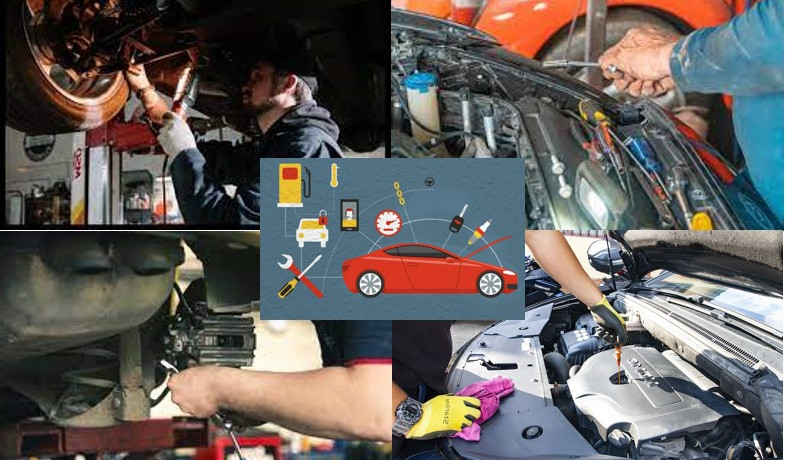
At some point, every car owner realizes that car maintenance is essential for keeping their vehicle in good condition. Regular car maintenance ensures that your vehicle is safe to drive, runs smoothly, and helps you avoid costly repairs. In this guide, we will cover the basics of car maintenance, including what it involves, how often it should be done, and tips for taking care of your vehicle.
As a car owner, it is important to understand that regular maintenance can go a long way in keeping your vehicle in top condition. It not only extends the life of your car but also helps prevent breakdowns and reduces the risk of accidents. Regular maintenance can help you save money in the long run by avoiding costly repairs.
Importance of Regular Maintenance
Regular maintenance is crucial for keeping your vehicle running smoothly. Neglecting maintenance can lead to problems that affect the performance and safety of your car. The following are some of the reasons why regular maintenance is important:
- Increases the lifespan of your vehicle: Regular maintenance ensures that your car lasts longer by preventing problems from developing and detecting issues early.
- Enhances safety: Regular maintenance reduces the risk of accidents caused by faulty brakes, worn-out tires, or other issues.
- Saves money: Regular maintenance can help you avoid costly repairs that result from neglecting your vehicle.
- Improves performance: Regular maintenance helps your car run smoothly and improves fuel efficiency.
Understanding Your Car's Owner's Manual
Your car's owner's manual is a valuable resource that provides detailed information on how to maintain your vehicle properly. It contains essential information on the recommended service intervals, tire pressure, fluid levels, etc. Take some time to familiarize yourself with the manual and follow the recommended maintenance schedule.
Regular Maintenance Tasks
There are several regular maintenance tasks that you should perform to keep your car running smoothly. These include:
Regular Oil Changes
Oil changes are one of your vehicle's most important routine maintenance tasks. Fresh oil helps lubricate and protect your engine, ensuring it runs smoothly. Over time, oil breaks down and becomes less effective, so it's essential to change it regularly.
The recommended interval for oil changes varies by vehicle and driving conditions, so consult your owner's manual for guidance. Most manufacturers recommend changing your oil every 8,000-10,000 kilometers, but this can vary depending on your driving habits and the oil you use.
Checking and Maintaining Fluid Levels
In addition to oil, your car has other fluids that help keep it running smoothly. These include transmission fluid, brake fluid, coolant, and power steering fluid. Regularly checking and maintaining fluid levels is essential to keep your vehicle running smoothly.
Follow the manufacturer's recommendations for fluid type and level, and top up fluids as needed. Check your car's fluids regularly, including coolant, transmission, and brake. Top up as needed and replace fluids that are dirty or low.
Replacing Filters
Your car has several filters, including the engine air filter, cabin air filter, and fuel filter. These filters help prevent dirt and debris from entering the engine and cabin and ensure that your engine runs smoothly.
Over time, these filters become clogged and less effective, so it's important to have them replaced regularly. Your car's air filter prevents dust and debris from entering your engine. Replace it regularly to ensure optimal performance.
Tire Maintenance
Your car's tires are the only part of your vehicle that touches the road, so keeping them in good condition is essential. Regularly checking and maintaining tire pressure is crucial for both safety and fuel efficiency.
Be sure also to check the tread depth and rotate your tires regularly to ensure even wear. Proper tire maintenance is essential for safety and performance. Check your tire pressure regularly and rotate your tires every 6,000-8,000 miles to ensure even wear.
Brakes
Brakes are one of your vehicle's most important safety features, so it's crucial to ensure that they are in good working order. Regularly inspecting and maintaining your brakes can help prevent costly repairs and ensure your vehicle stops safely.
Be sure to have your brakes inspected regularly by a qualified mechanic. Your brakes are one of the most important safety features of your car. Have them checked regularly and replace brake pads and rotors as needed.
Electrical System
Your car's electrical system is responsible for powering everything from the headlights to the stereo. Regularly checking and maintaining your battery, alternator, and starter can help prevent electrical problems and ensure that your car starts reliably.
Battery Maintenance
Regular battery maintenance includes checking battery terminals for corrosion and cleaning them if necessary. Experts recommend replacing a car battery every 3 to 5 years.
Regular Inspections
In addition to routine maintenance tasks, it's important to have your vehicle inspected regularly by a qualified mechanic. A thorough inspection can help identify potential problems before they become major issues, saving you money on costly repairs in the long run.
Warning Signs That Your Car Needs Attention
In addition to regular maintenance, it's important to be aware of warning signs that your car needs attention. These can include:
Warning Lights
Modern cars are equipped with warning lights that indicate when there's a problem. Don't ignore these lights, as they can indicate serious issues that need immediate attention.
Strange Noises
Unusual noises, such as squeaking, grinding, or knocking, can indicate problems with your car's engine, transmission, or brakes.
Reduced Performance
If you notice a decrease in performance, such as reduced acceleration or increased fuel consumption, it could be a sign that your car needs attention.
How Often Should Car Maintenance be Performed?
The frequency of car maintenance varies depending on the vehicle's make and model, the car's age, and the driving conditions. It is essential to refer to the owner's manual for specific maintenance recommendations. However, the following car maintenance tasks should be performed as a general rule.
Maintaining your vehicle is essential for ensuring its longevity and reliability. A well-maintained car provides a comfortable and safe ride and saves you money in the long run. However, car maintenance can be daunting, especially if you're unfamiliar with the technicalities involved. In this comprehensive guide, we'll take you through the essential steps to maintain your vehicle and keep it in tip-top condition.
Conclusion
Proper car maintenance is essential for ensuring the longevity and performance of your vehicle. Regular oil changes, checking and maintaining fluid levels, replacing filters, tire maintenance, brakes, electrical system, and regular inspections are all essential components of car maintenance. Following the manufacturer's recommended maintenance schedule and staying on top of routine tasks can help prevent breakdowns, save money on repairs, and keep your vehicle running smoothly for years.
Suggested blogs
View all
Skoda Kushaq Monte Carlo in Nepal: The Epitome of Style and Performance
Jan 21, 2025
Isuzu V-Cross in Nepal: A Perfect Blend of Power and Versatility
Jan 20, 2025

Nissan Magnite in Nepal: A Comprehensive Overview of the Compact SUV Revolution
Jan 19, 2025

Proton X50 in Nepal: A Comprehensive Guide
Jan 19, 2025